If you want close-in Seattle access without the downtown buzz, Shoreline may be the balance you’re after. You get saltwater sunsets, wooded trails, and small walkable pockets, plus two Link light rail stations for an easier commute. In this guide, you’ll see how daily life flows here: commutes, parks, neighborhood hubs, housing styles, and what’s changing next. Let’s dive in.
Where Shoreline fits in the region
Shoreline sits immediately north of Seattle in King County and is its own city in the Seattle–Bellevue–Everett metro area. It functions as a suburban community with residential neighborhoods, small business districts, and several larger retail centers. The city’s long-range plan, Shoreline 2044, outlines growth near transit and future station-area hubs.
Shoreline’s population is approximately 66,251 as of July 1, 2024, according to U.S. Census QuickFacts. That steady growth reflects demand for access to Seattle and the region’s job centers while keeping a quieter, suburban feel.
Getting around: light rail, buses, and driving
Light rail for Seattle access
Link light rail expanded in 2024 with the Lynnwood Link extension, adding two Shoreline stations: Shoreline South/148th and Shoreline North/185th. These stops are now the backbone of transit into Seattle and other job areas. You can read more in Sound Transit’s Lynnwood Link update.
Bus network changes
King County Metro redesigned many North King County routes to connect neighborhoods to the 148th and 185th stations. If transit is a priority, check the latest Metro northwest system map for routes near your block. The changes help you pair a short bus ride with Link for a reliable commute.
Driving on I‑5 and Aurora
Many Shoreline residents still drive to work. The main corridors are I‑5 on the east edge and Aurora Ave N (SR‑99) on the west, with NE 145th (SR‑523) as a key east–west connector. Travel times to downtown Seattle vary by neighborhood and time of day, so test your route at your typical commute hour.
Biking and walking
The city and regional partners are investing in safer station access and an off-corridor bike network. Walkability is strongest near North City, some town-center areas, and close to the stations, though it still varies across the city. For a sense of planned station-access improvements, see Sound Transit’s transportation technical memorandum.
Parks and outdoor access
Shoreline shines with both beach access and wooded parks. The city maintains a broad system of neighborhood parks, natural areas, lakeside spots, and larger destinations. You can browse the full list in the city parks directory.
- Richmond Beach Saltwater Park offers Puget Sound access, bluff trails, and big-sky sunsets. It is a favorite weekend destination for residents near the northwest edge of the city. Learn more on the Richmond Beach Saltwater Park page.
- Hamlin Park and Boeing Creek/Shoreview Park provide forested trails and a quiet retreat inside the urban area.
- For a curated nature walk and local horticulture events, the Kruckeberg Botanic Garden is a unique neighborhood gem.
If you want daily beach walks and views, focus near Richmond Beach. If you prefer tall trees and woodland loops, areas by Hamlin and Boeing Creek/Shoreview will feel convenient.
Neighborhood feel and daily errands
Shoreline blends car-convenient retail with small, walkable pockets. Aurora Village and the Aurora corridor anchor big weekly errands with major retailers. Aurora Square, also known as Shoreline Place, is a key redevelopment site shaping the town-center evolution.
For coffee, casual dining, and services, you will find clusters in North City, along 15th Ave NE, on Ballinger Way, and in the Richmond Beach village area. These smaller nodes are where you are likely to bump into neighbors, pick up takeout, or browse local shops. It adds a lighter, small-town rhythm alongside the practical big-box options on Aurora.
Housing styles and price context
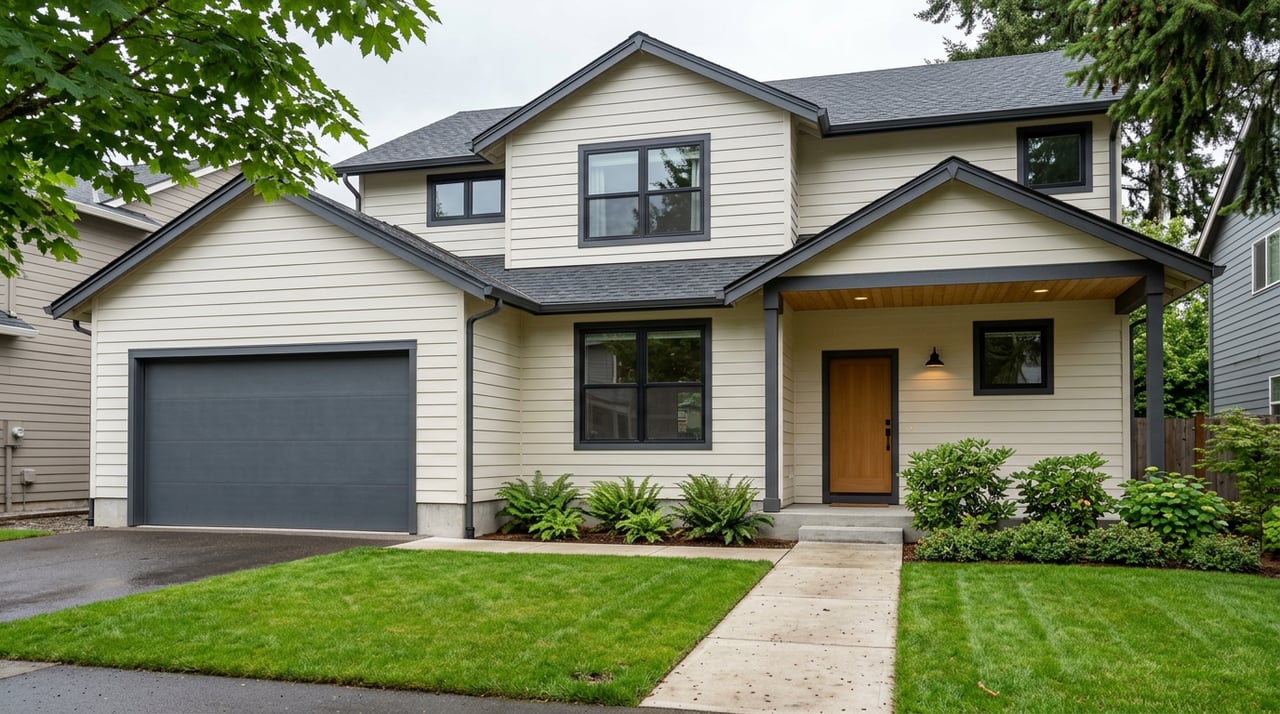
Most Shoreline neighborhoods include single-family detached homes, especially mid‑20th‑century ranches and bungalows. You will also see pockets of duplexes and low-rise multifamily, plus newer townhome and condo infill near transit and identified centers. The city is explicitly enabling more choices through its middle housing policy, which covers duplexes, triplexes, fourplexes, cottage housing, and townhouses.
As of early 2026, snapshots show a median sale price around $751,000 (Redfin, Feb 2026) and a typical home value around $796,785 (Zillow Home Value Index, Jan 31, 2026). These figures change month to month, and methodologies differ, so treat them as ballpark context. Expect higher prices near Puget Sound and in locations walkable to the new Link stations, with more modest pricing inland and farther from the coast.
Schools and community services
Shoreline is served by the Shoreline School District, with high schools including Shorecrest and Shorewood. The district has invested in campus updates in recent bond cycles. For the most current information on a specific school, review official district materials and state report cards.
Healthcare options in and near Shoreline include local clinics and nearby hospitals in the north Seattle area. If access to a particular provider is important, map travel times from the neighborhoods you are considering.
What’s changing next
Light rail is already reshaping travel patterns and will continue to influence where growth concentrates. The city’s Shoreline 2044 plan focuses additional housing capacity near the stations and in town-center subareas. Over time, expect more mixed housing and a livelier street scene around Shoreline South/148th and Shoreline North/185th.
Is Shoreline a fit for you?
Use this quick checklist as you tour:
- Commute: Test both a Link ride and your peak-hour drive. Compare real time door-to-door.
- Outdoors: Decide whether daily beach access or wooded trails matters more.
- Housing: Do you prefer mid‑century character or newer townhome convenience?
- Errands: Are small, walkable pockets a must, or are you comfortable driving to Aurora Village for big weekly runs?
If these tradeoffs feel right, Shoreline gives you a calm day-to-day pace with strong regional access and real outdoor variety.
Ready to explore Shoreline homes?
If you want a clear, step-by-step plan to compare neighborhoods, refine your budget, and craft a confident offer, I’m here to help. I combine local market knowledge with straightforward education, so your choices feel manageable and informed. Schedule a free consultation with Jennifer Fall to get started.
FAQs
How do Shoreline residents commute to downtown Seattle?
- Many pair a short bus ride with Link from Shoreline South/148th or Shoreline North/185th; others drive via I‑5 or Aurora, depending on schedule and neighborhood.
Which Shoreline parks offer beaches and which offer trails?
- Richmond Beach Saltwater Park provides Puget Sound access and sunsets, while Hamlin Park and Boeing Creek/Shoreview offer wooded trail networks.
What types of homes are common in Shoreline?
- Mostly mid‑century single‑family homes, plus pockets of duplexes, low‑rise multifamily, and newer townhomes or condos near transit corridors.
How expensive is Shoreline compared with Seattle?
- Shoreline is often less expensive than many close‑in Seattle neighborhoods but remains in a higher regional price band; review current monthly snapshots before you shop.
Are there walkable areas for dining and coffee?
- Yes; check North City, Richmond Beach village, and town-center pockets for cafés and shops, while Aurora handles larger retailers and weekly errands.